Only 1 left
Showing 1-20 of 82 products
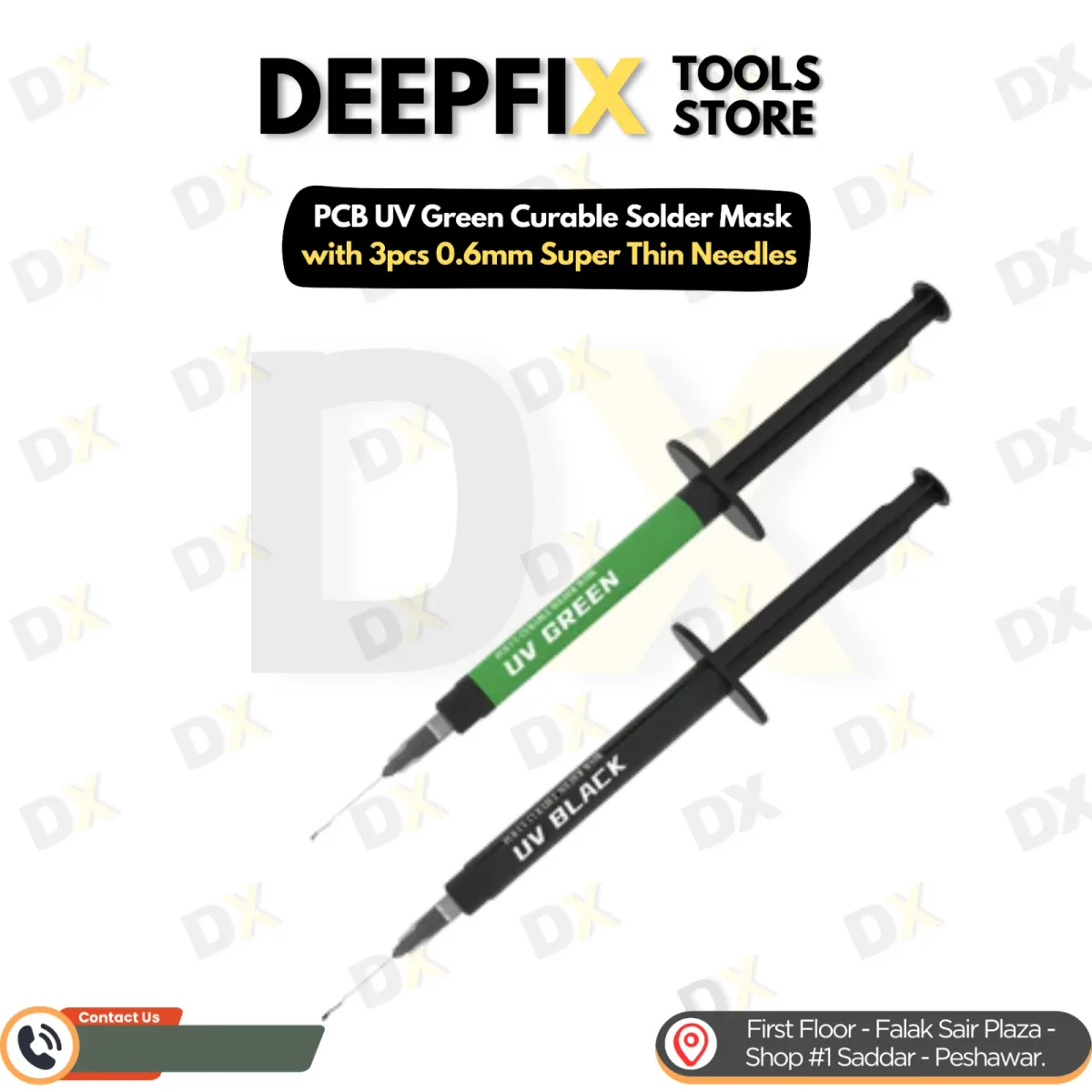
The materials a micro-soldering bench works through — flux, solder paste and wire, desoldering wick, UV solder mask, jumper wire and cleaning agents. Consumables decide more repairs than equipment does: fresh flux and fresh wick fix problems that a more expensive station cannot.
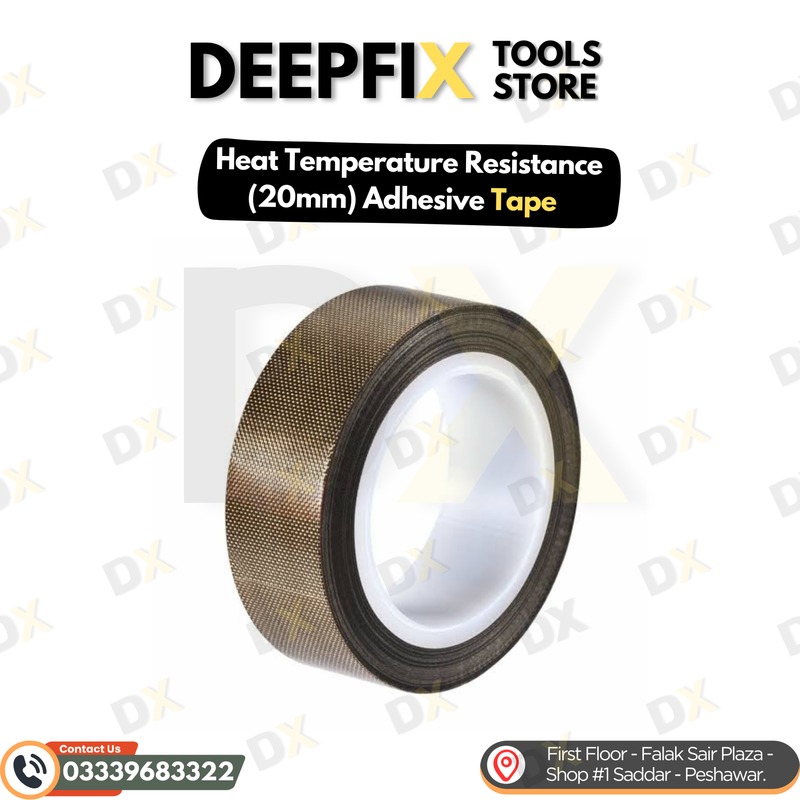

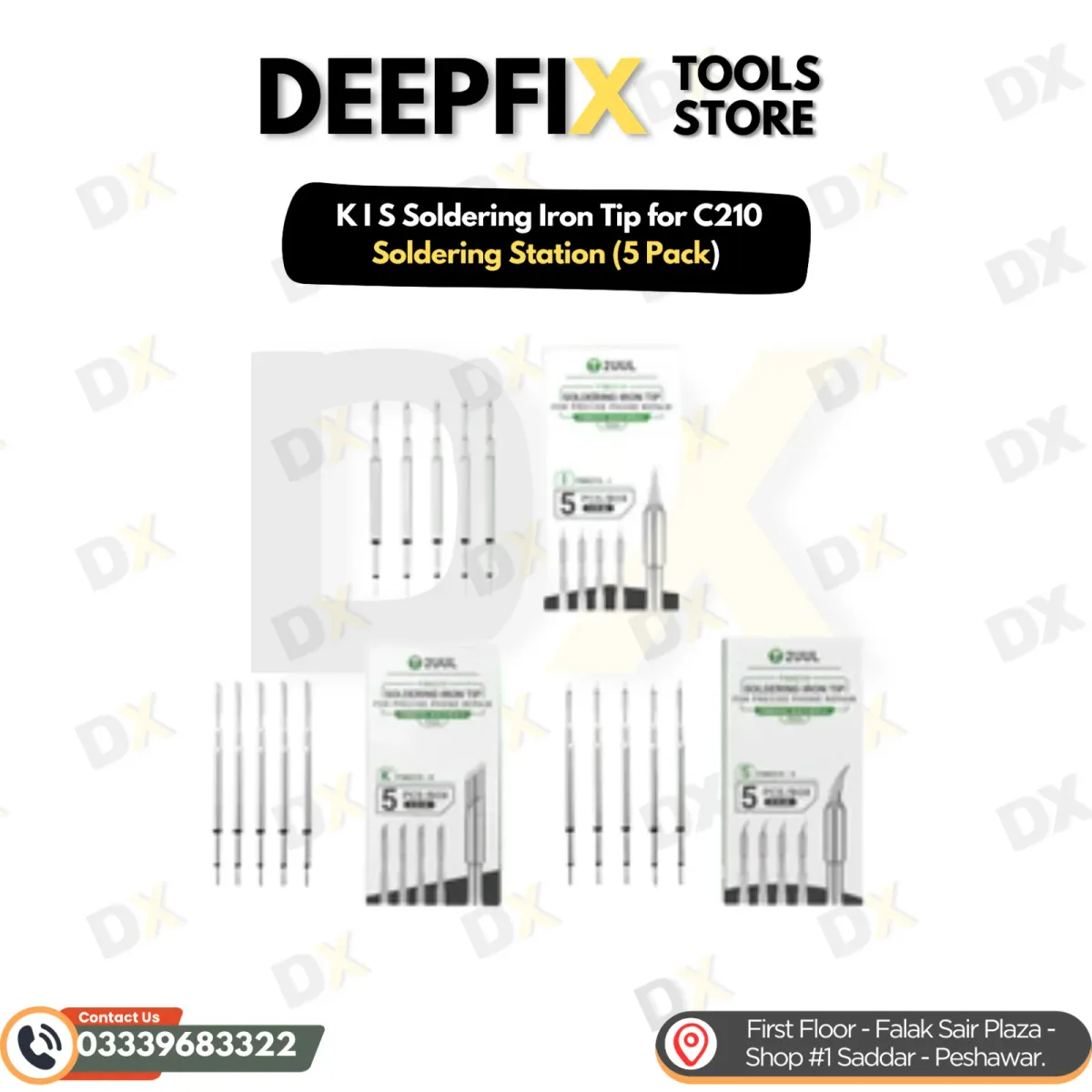


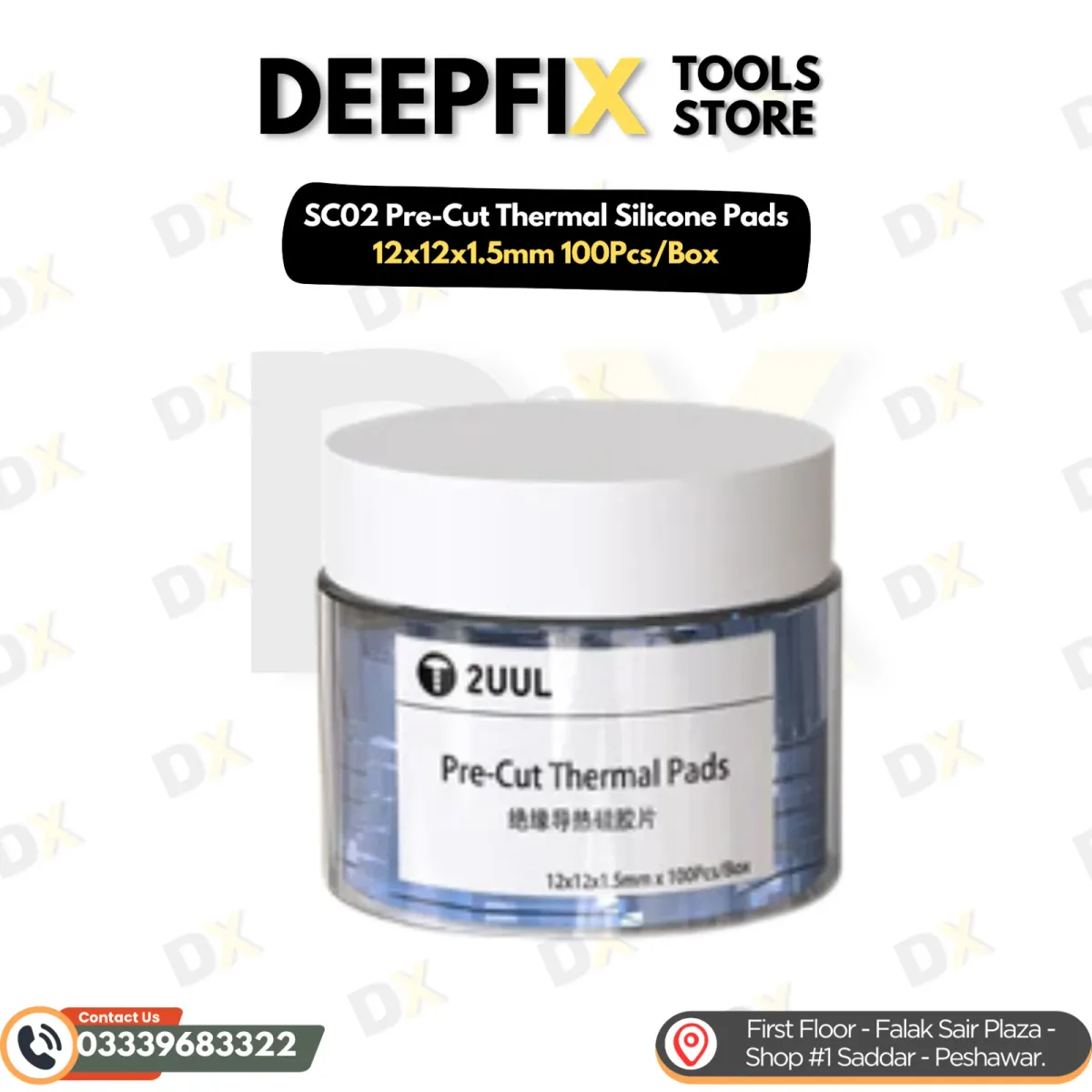






Buy consumables in quantities you will actually use. Flux degrades once opened, wick stops drawing when its flux oxidises, and solder paste has a real shelf life and needs refrigerating. A large jar of paste taken in and out of a fridge for a year solders worse than a small fresh one.
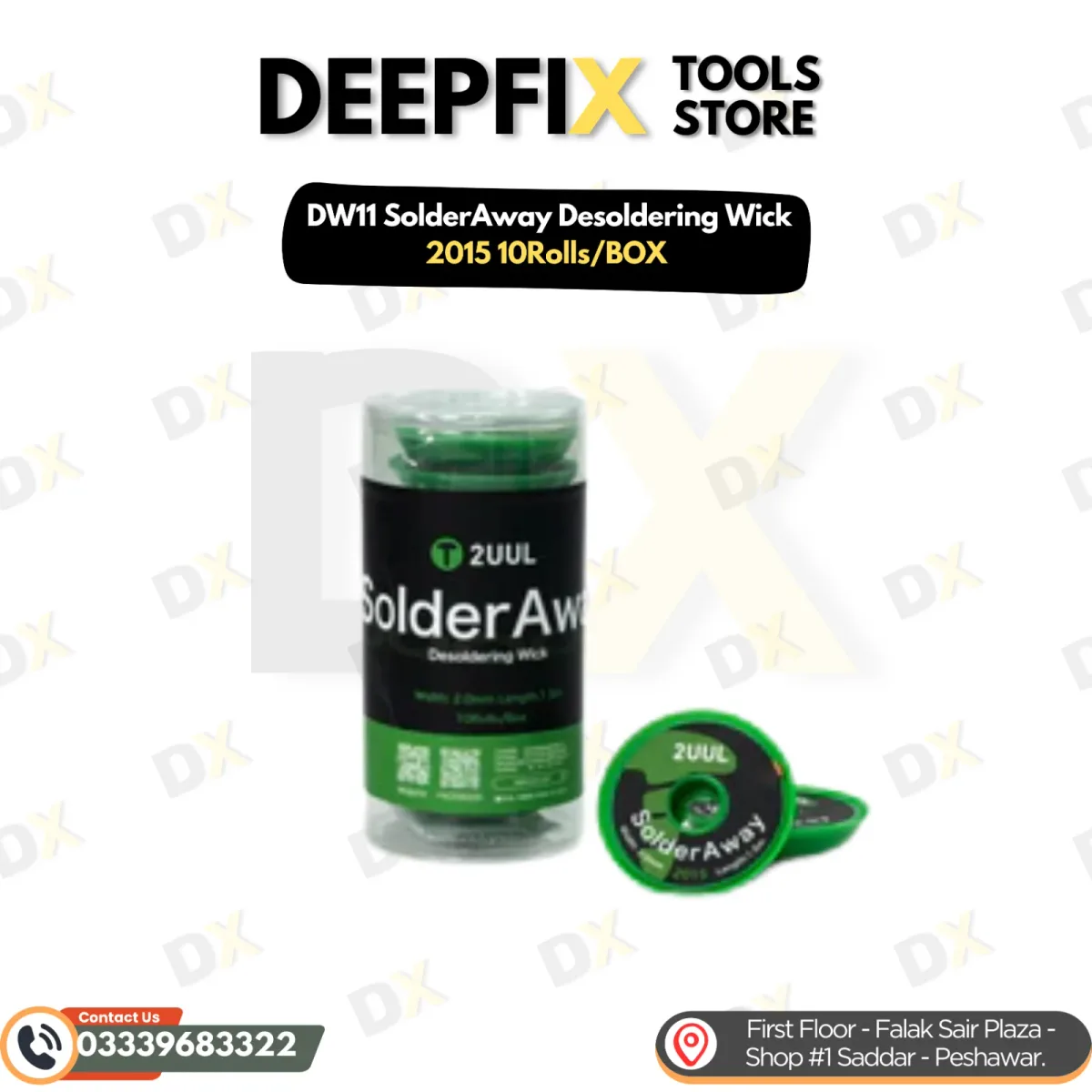
Almost always because the flux in the braid has oxidised. Cut off the exposed end and try again; if it still will not draw, the roll has been open too long. Store wick sealed.
For rework, yes. The core flux burns off the instant the wire touches the iron. Lifting a chip, drawing solder with wick or reflowing a joint all need flux present throughout, and that has to come from a bottle.
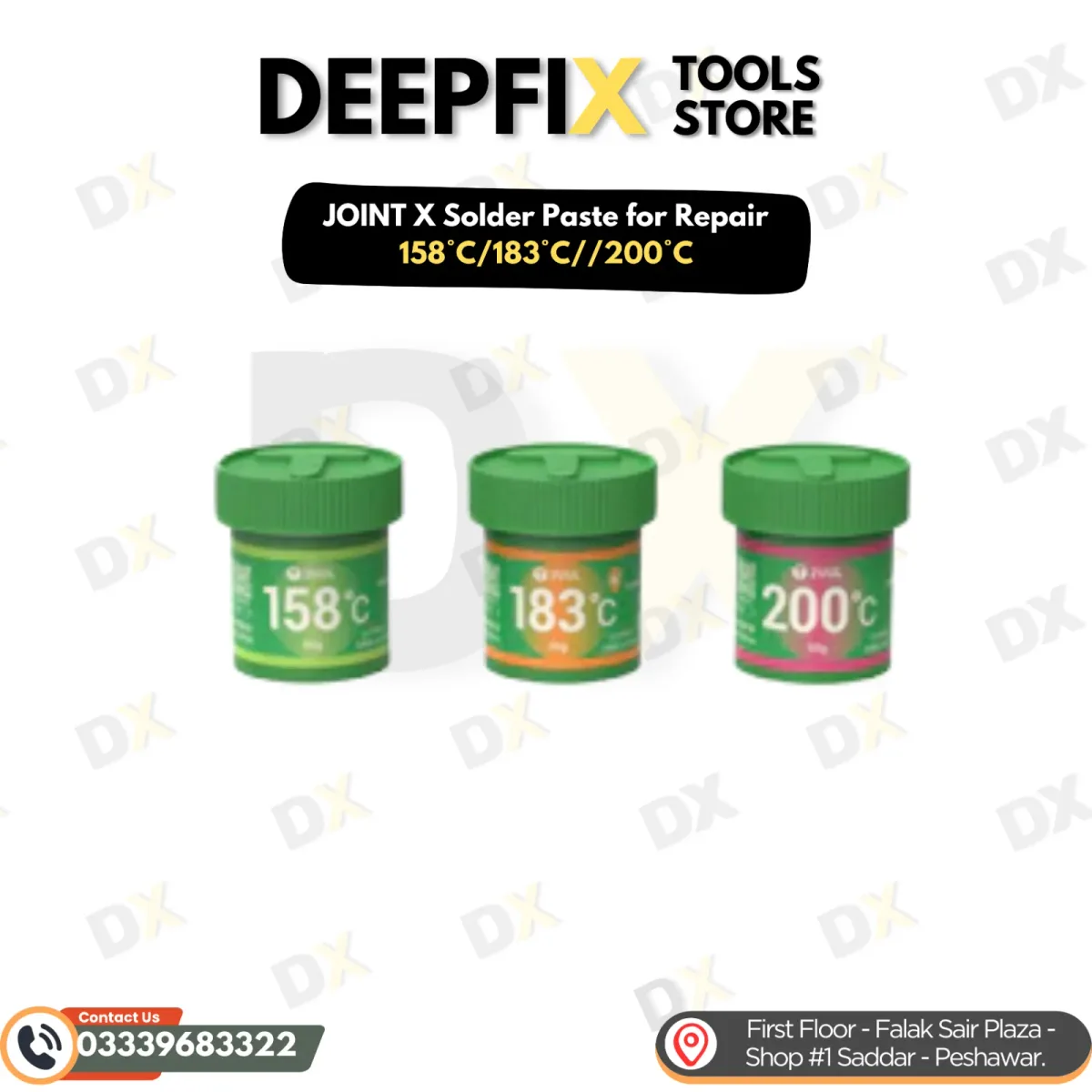
183°C is standard eutectic tin-lead and the everyday default. Lower temperatures such as 138°C let you work beside a component you must not disturb; higher ones survive later rework nearby.